

Economic Perspective 12 December 2025
The Latest Trending Economic News Curated for You by Balmoral Group Australia
Good morning dear readers,
In this week's edition we’re talking about the agriculture sector, with a dash of climate regulations and robotics! New legislation extends Right-to-Repair reforms to agricultural machinery, remedying critical delays when machines fail during harvest. The Government has also released early guidance on incoming changes to agricultural land approval exemptions under the new Environmental Protection Reform Bills.
Meanwhile, Bendigo Bank published its outlook for the Australian agricultural sector into the first half of 2026, where strong prices are expected across many key products. Across the globe, the Bank of England is tightening climate-risk requirements for banks and insurers through improved accountability and modelling frameworks. Finally, I’ve included a Statista chart showing that robots are being installed across industries beyond manufacturing. As robotics technologies advance, more machines are being used in professional services industries such has logistics and hospitality.
Please feel free to forward this to anyone you think would be interested. If you’d like to view previous editions, please click here and navigate the News tab, or to subscribe, please click here!
Hope you enjoy the articles and have a great weekend!

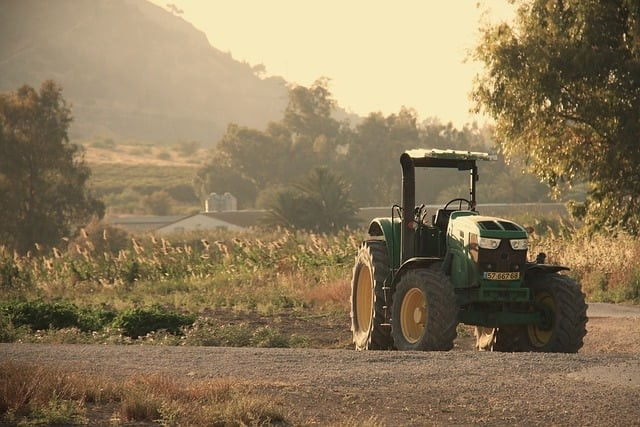
Farmers back historic right to repair reform
Government is extending right-to-repair reforms to agricultural machinery. Previously, repair information was hidden from farmers, resulting in costly delays when machinery breaks down during harvest. Productivity commission estimates show that mitigating these delays could lift GDP by $97 million per year through increased grain outputs. The reforms intend to reduce costs and harvest wait times, bring business to local repairers, and increase regional resilience. Read more here.

Guidance on agricultural exemptions under the EPBC Act
The new Environmental Protection Reform Bills, passed 2 weeks ago, have resulted in changes to previous exemptions for land clearing approvals. Under new conditions, land clearing operations cannot claim exemptions for land that has not been cleared for 15 plus years or is near various aquatic habitats, and land managers must now seek assessment under the EPBC Act to act in these areas. New conditions aim to protect native 15-year-old regrowth and wetland habitats to prevent biodiversity loss. Read more here.

Outlook broadly positive for Australia’s farmers heading into 2026
Bendigo Bank has published their 2026 Australian Agriculture Outlook report deep-diving supply, demand, and pricing predictions for major agricultural commodities to mid-2026. Since the majority of agri-products are exported (two thirds), volatile markets can heavily impact prospects, making diversity in trade partners a priority. On-farm costs are high due to inputs such as irrigation, fertilizer, chemicals and labour. However, costs are largely outweighed by profit gains from predicted higher prices. Tight supply for sheep and wool, plus strong export demand for beef due to weakened US supply, will support high prices. Read more here.

Bank of England (BoE) Sets Tougher Climate Risk Rules for Banks and Insurers
The BoE has implemented their Supervisory Statement 4/25, a climate risk policy replacing the previous 2019 rules and coming into immediate effect. The policy mandates accountability frameworks in company boards and management and scenario analysis for decision-making has been explicitly endorsed with clear methodologies. The policy also mandates high quality data and tighter disclosure expectations regarding risk and opportunity profiles. Firms must review overall compliance and produce evidence within six months. Read more here.
Where Professional Service Robots are Deployed
Professional service robots (distinguished from industrial robots within global manufacturing operations) have seen large increases in deployment, with an additional 200,000 units newly installed in 2024 globally. About half of these were used to transport goods within warehouses or logistics centres. Additional inisghts can be found in this figure from Statista, which shows the share of global installations by application in 2024.

Connect with Balmoral Group Australia Here



Comments